



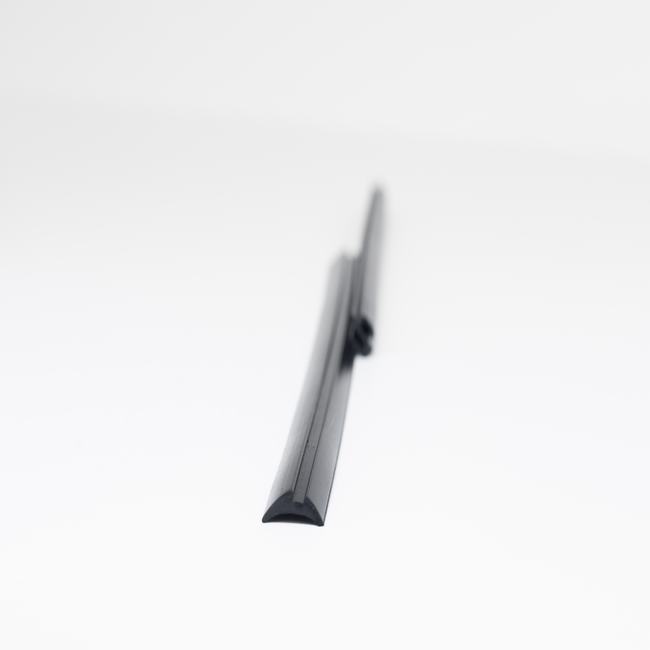
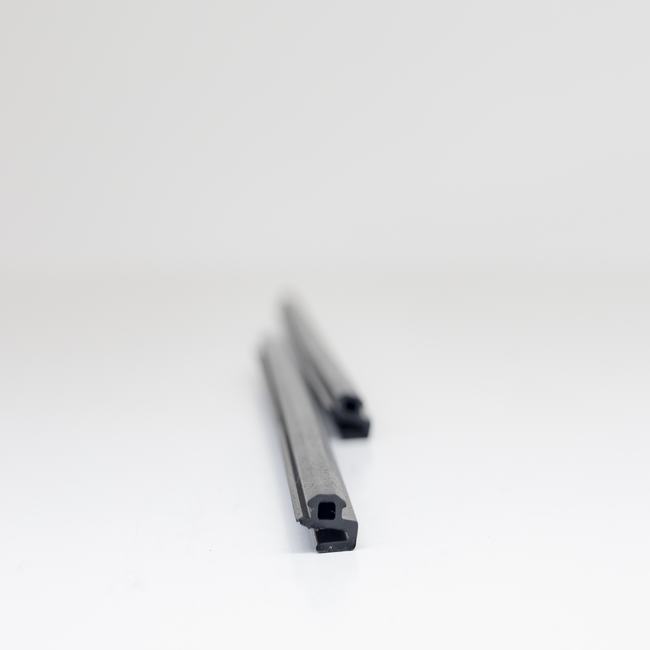
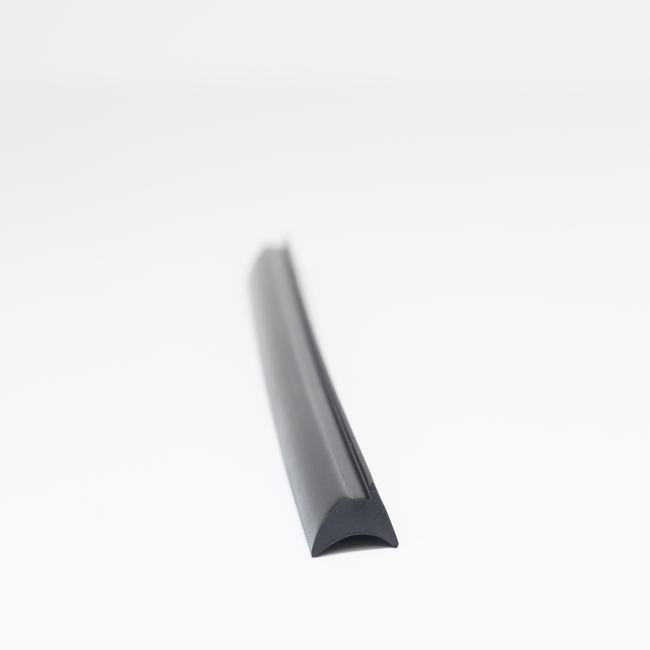
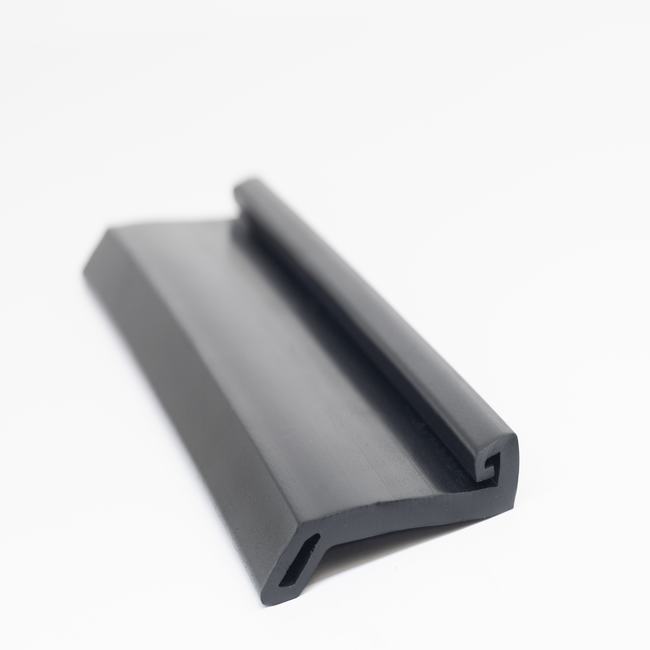
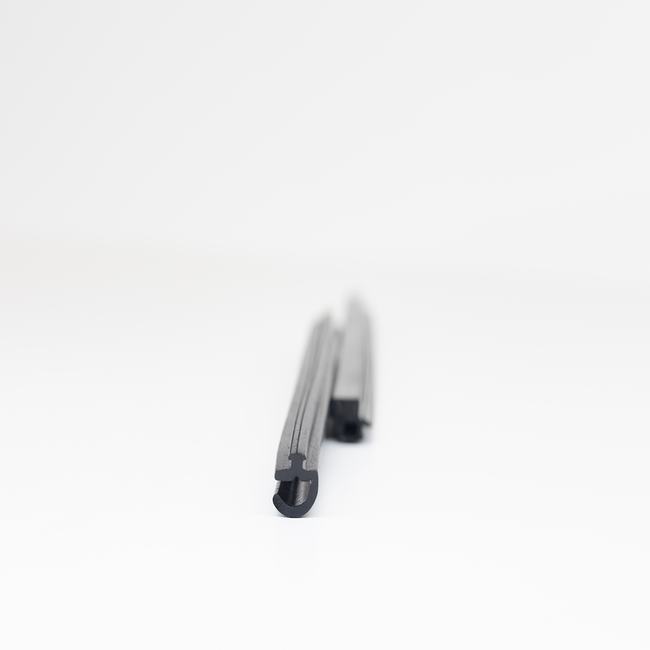
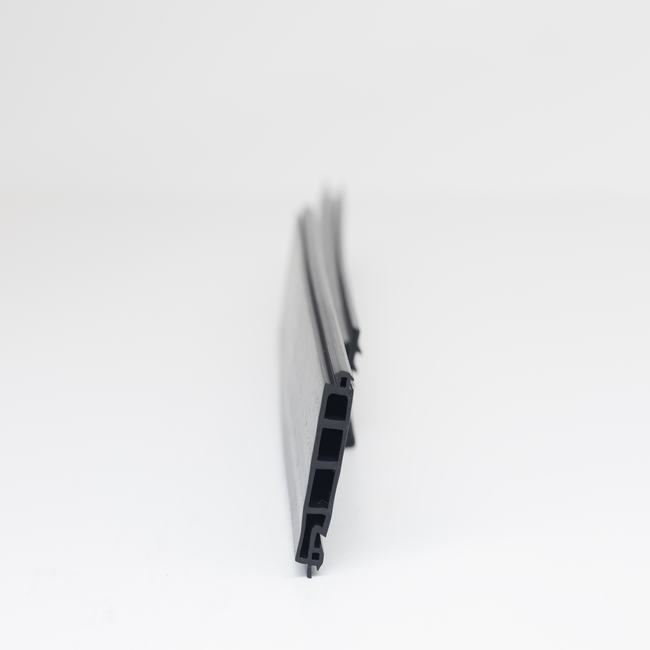
Aluminum rubber seals refer to specialized components designed to create a secure and effective barrier between two surfaces, typically in environments where a combination of flexibility, durability, and resistance to various elements is crucial.
Aluminum rubber seals refer to specialized components designed to create a secure and effective barrier between two surfaces, typically in environments where a combination of flexibility, durability, and resistance to various elements is crucial. These seals play a pivotal role in preventing the ingress of moisture, dust, gases, or other contaminants, as well as in providing insulation and vibration dampening. Here's a detailed description of aluminum rubber seals, exploring their composition, applications, and benefits:
Composition: Aluminum rubber seals are composed of a blend of aluminum and rubber materials. The aluminum component often comes in the form of extrusions or channels, providing structural support and enhancing the overall strength of the seal. The rubber portion is usually made from synthetic elastomers or polymers, chosen for their elasticity, resilience, and resistance to environmental factors.
Properties:
- Flexibility: The rubber component imparts flexibility to the seal, allowing it to conform to irregular surfaces and accommodate movements without compromising its effectiveness.
- Durability: The combination of aluminum and rubber results in a durable seal that can withstand varying temperatures, weather conditions, and mechanical stresses.
- Corrosion Resistance: The aluminum component is often treated or coated to resist corrosion, ensuring longevity and performance in challenging environments.
- Sealing Capabilities: The primary function of these seals is to provide an effective barrier against the infiltration of liquids, gases, or particulate matter, enhancing the overall integrity of the sealed space.
- Insulation: In certain applications, aluminum rubber seals can provide thermal and acoustic insulation, contributing to energy efficiency and reducing noise transmission.
Applications:
- Automotive Industry: Used in doors, windows, trunks, and hoods to prevent water and dust intrusion, reduce noise, and contribute to the overall aerodynamic efficiency of vehicles.
- Construction: Employed in windows, doors, and curtain walls to ensure weather-tight seals, thermal insulation, and noise reduction.
- Aerospace: Utilized in aircraft components to maintain airtight seals, protect against extreme temperatures, and reduce vibrations.
- Industrial Machinery: Applied in various industrial settings to seal joints, prevent contamination, and enhance equipment performance.
- Electronics: Used in electronic enclosures to protect sensitive components from moisture, dust, and other environmental factors.
Benefits:
- Versatility: Aluminum rubber seals can adapt to different shapes and sizes, making them suitable for a wide range of applications.
- Longevity: The combination of aluminum's corrosion resistance and rubber's durability results in seals with a prolonged lifespan.
- Enhanced Performance: These seals contribute to the overall performance and efficiency of systems by maintaining optimal conditions and preventing damage from external elements.
- Cost-Effectiveness: The long lifespan and reliability of aluminum rubber seals often translate to cost savings over time, as they reduce the need for frequent replacements or repairs.
In conclusion, aluminum rubber seals are integral components in various industries, providing crucial functions such as sealing, insulation, and protection. Their unique combination of materials and properties makes them versatile and essential for maintaining the integrity and performance of diverse systems and structures.