



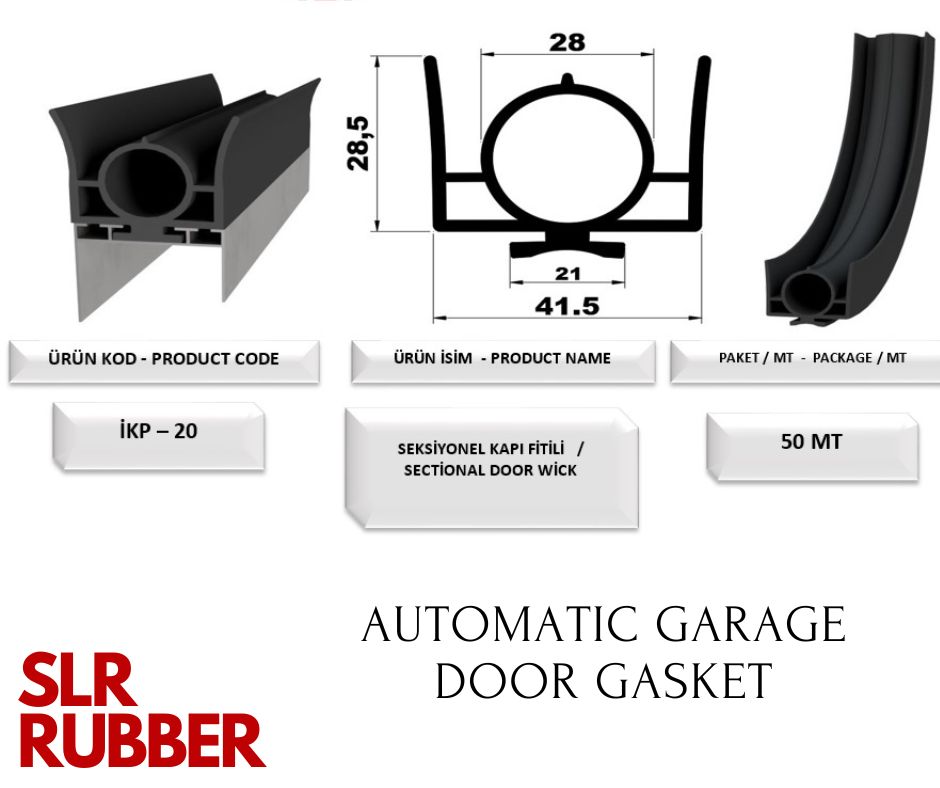

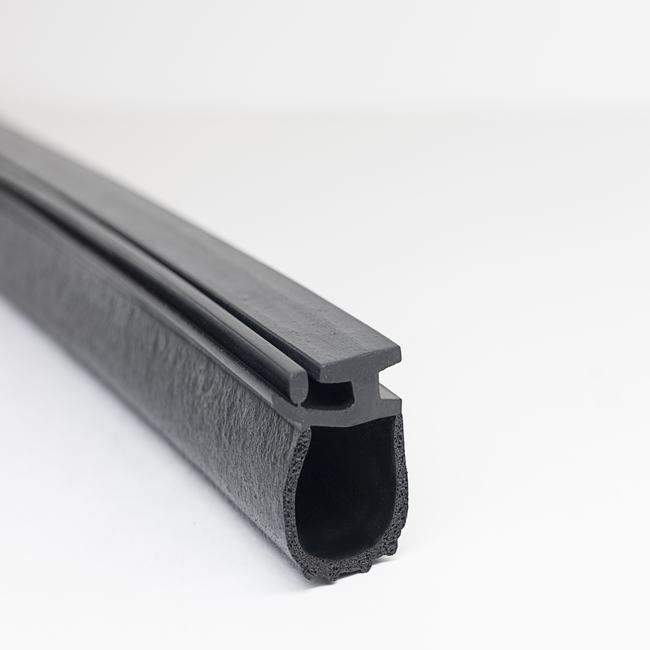
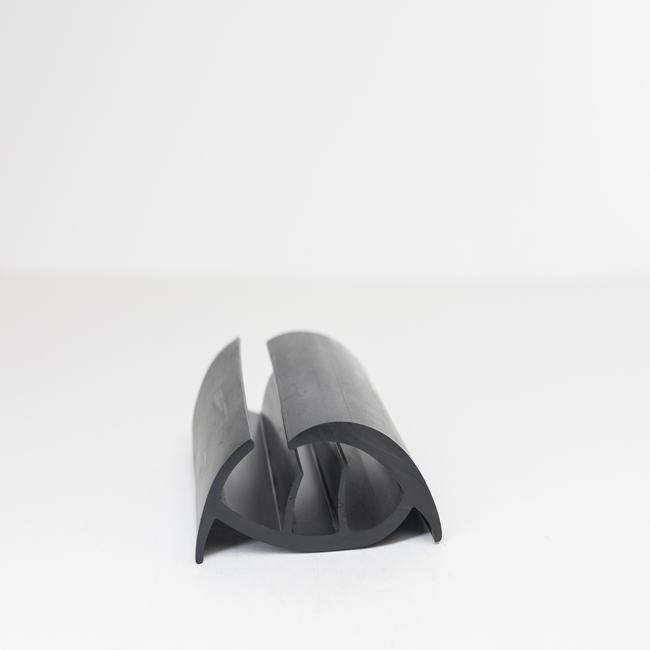

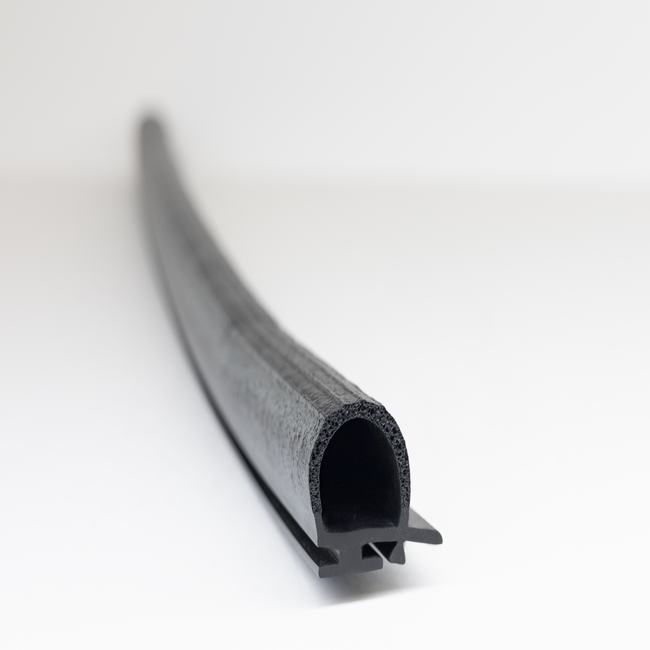
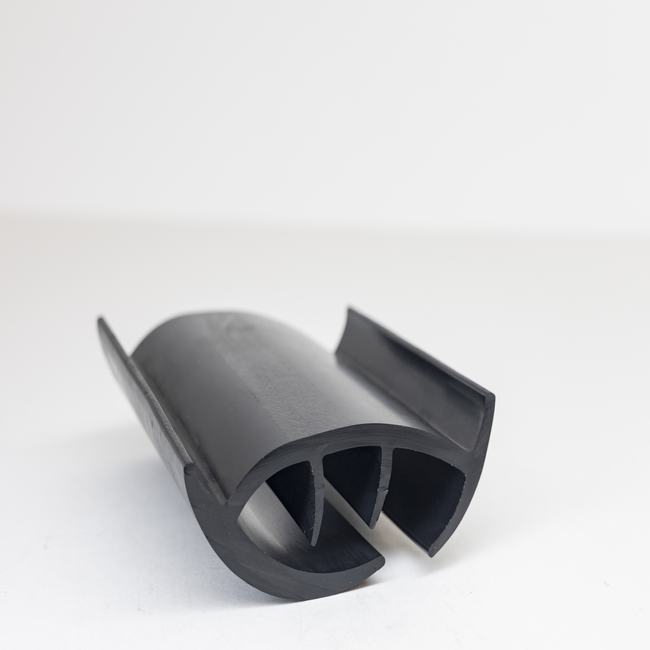
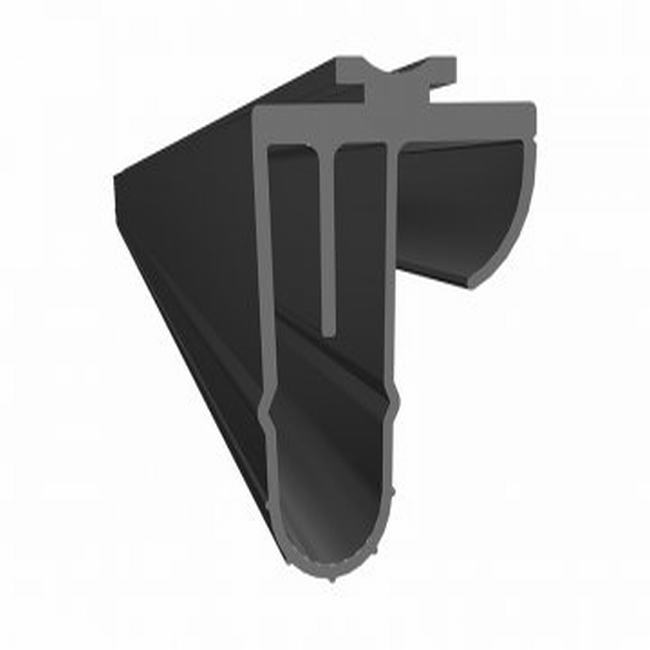
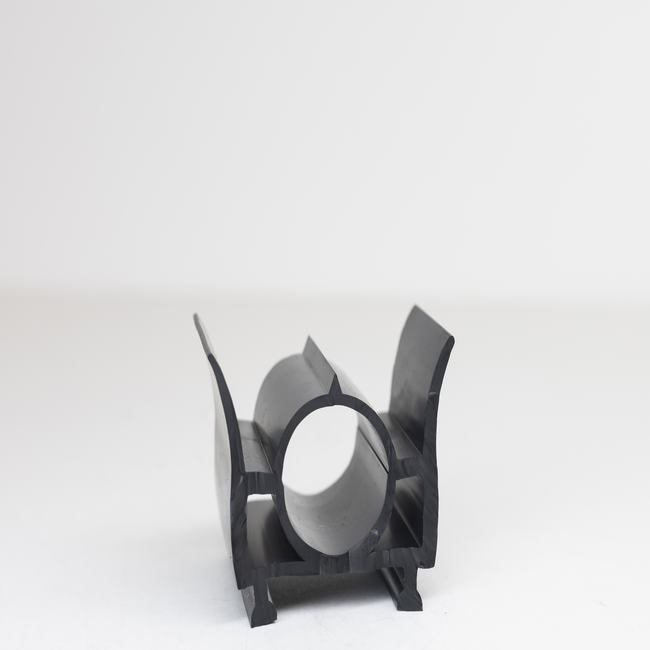
Automatic door seals are innovative and efficient devices designed to enhance the functionality and energy efficiency of doors in various settings, such as commercial buildings, residential spaces, and industrial facilities.
Automatic door seals are innovative and efficient devices designed to enhance the functionality and energy efficiency of doors in various settings, such as commercial buildings, residential spaces, and industrial facilities. These seals serve a dual purpose by providing a barrier against external elements like drafts, dust, and noise while also contributing to energy conservation by minimizing heat loss or gain.
One of the key features of automatic door seals is their ability to operate seamlessly and autonomously. These seals are typically equipped with sensors or automated mechanisms that respond to environmental cues, such as changes in air pressure or temperature, as well as the movement of individuals or objects in proximity to the door. This automation ensures that the door seal engages precisely when needed, eliminating the need for manual adjustment and enhancing overall user convenience.
The materials used in the construction of automatic door seals are carefully selected to withstand a range of environmental conditions. High-quality weather-resistant materials, such as durable rubber or silicone, are commonly employed to ensure longevity and reliability. This robust construction not only contributes to the seals' effectiveness in blocking out external elements but also enhances their resistance to wear and tear over time.
Energy efficiency is a paramount consideration in modern building design, and automatic door seals play a crucial role in achieving this goal. By creating an airtight seal when the door is closed, these devices prevent the exchange of air between indoor and outdoor environments. This feature is especially beneficial in climates with extreme temperatures, helping to maintain a comfortable interior while reducing the load on heating, ventilation, and air conditioning (HVAC) systems.
In addition to energy conservation, automatic door seals contribute to acoustic insulation, creating a quieter and more comfortable indoor environment. The tight seal formed when the door is closed acts as a barrier to external noise, making them particularly valuable in spaces where noise control is a priority, such as offices, hotels, or residential buildings located in busy urban areas.
Maintenance of automatic door seals is generally straightforward, thanks to their durable and low-maintenance materials. Periodic inspections and cleaning are typically all that is required to ensure optimal functionality. Some advanced models may also come with self-diagnostic features, alerting users to any potential issues and streamlining the maintenance process further.
In conclusion, automatic door seals represent a sophisticated and practical solution for improving the performance of doors in various settings. Their ability to create a secure barrier against external elements, enhance energy efficiency, and contribute to acoustic comfort makes them a valuable addition to modern building design and automation systems. As technology continues to advance, we can expect even more innovative features and improvements in automatic door seal design, further optimizing their contribution to the overall efficiency and comfort of indoor spaces.