



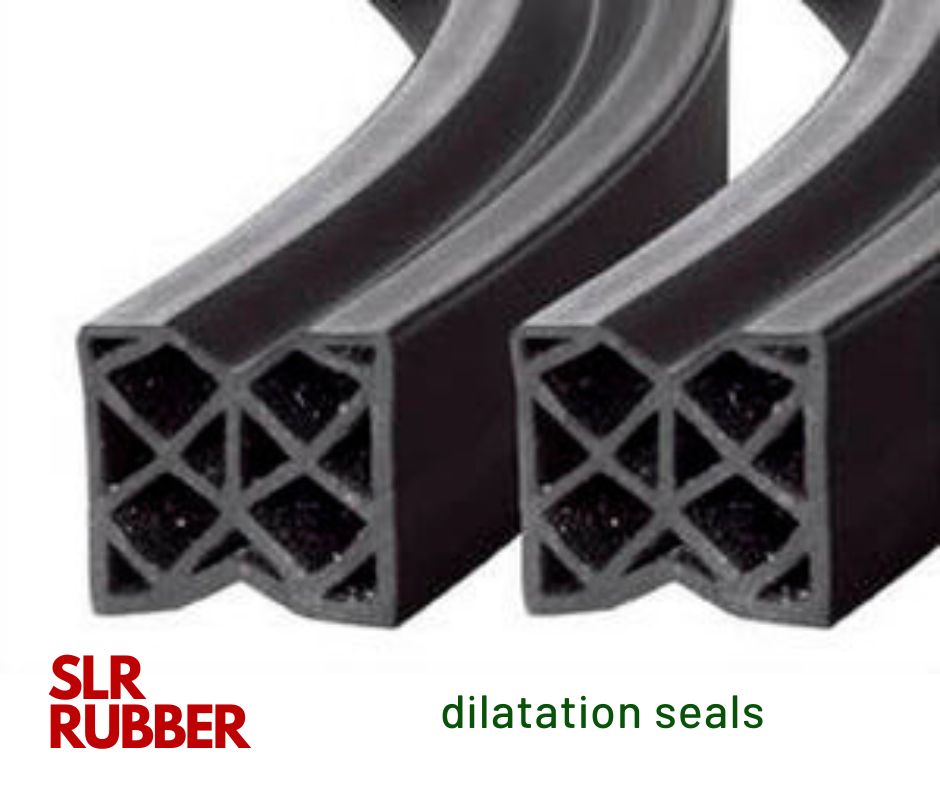
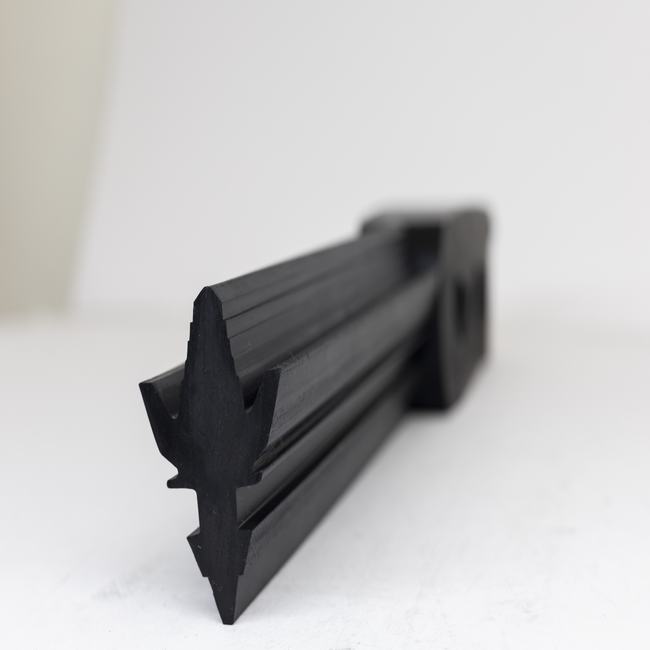
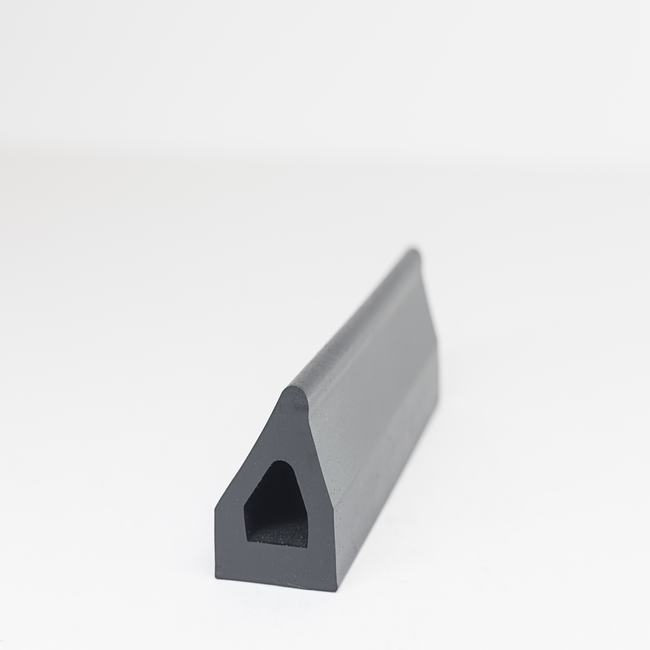
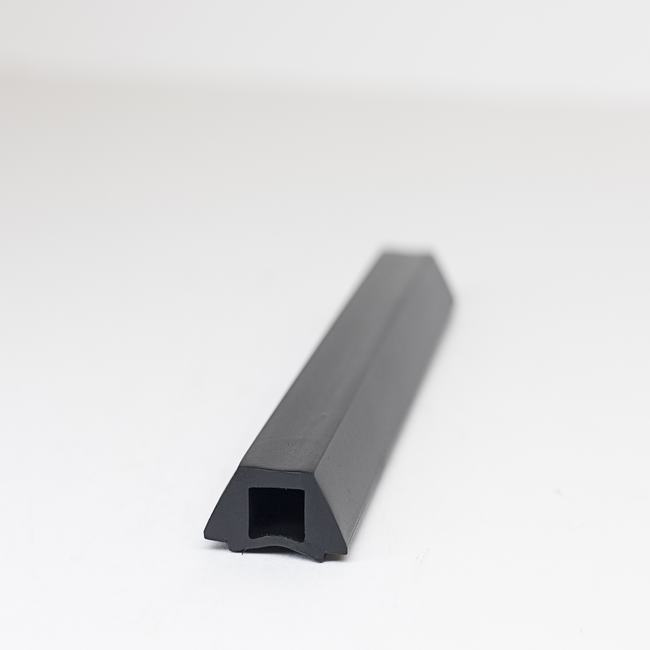
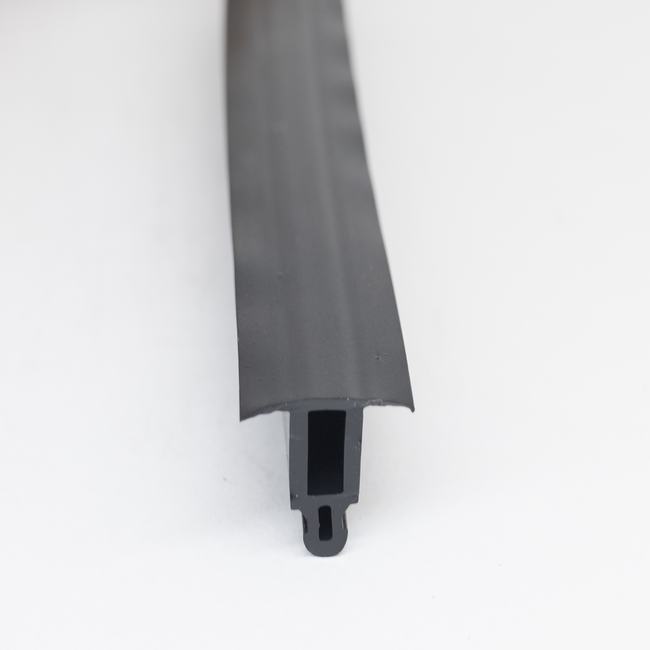

Dilation seals, also known as expansion joints or expansion seals, are specialized devices designed to accommodate dimensional changes, vibrations, and thermal expansions in various structures, such as buildings, bridges, pipelines, and industrial facilities.
Dilation seals, also known as expansion joints or expansion seals, are specialized devices designed to accommodate dimensional changes, vibrations, and thermal expansions in various structures, such as buildings, bridges, pipelines, and industrial facilities. These seals play a crucial role in ensuring the structural integrity and longevity of these constructions by mitigating the impact of dynamic forces and environmental factors.
The primary purpose of dilation seals is to provide flexibility and movement capability in structures that are subjected to temperature variations, seismic activity, settlement, or other dynamic forces. These seals act as buffers, allowing for controlled expansion and contraction without compromising the overall stability of the structure. They are strategically placed at key points, where the potential for movement is highest.
Key features and components of dilation seals include:
-
Material Selection: Dilation seals are often constructed from durable and flexible materials such as rubber, neoprene, metal, or a combination of these. The choice of materials depends on the specific application, considering factors such as temperature range, chemical exposure, and load-bearing requirements.
-
Design Types: Dilation seals come in various designs, including strip seals, modular joints, and sliding plate systems. Each design is tailored to accommodate specific movement patterns and structural demands.
-
Installation Locations: These seals are strategically installed at critical areas within a structure, such as expansion joints in concrete slabs, gaps between building components, or interfaces between different materials. Proper placement is essential for effective performance.
-
Load-Bearing Capacity: Depending on the application, dilation seals must be designed to bear the loads imposed by the structure while allowing for movement. This requires careful consideration of factors such as traffic loads, building movement, and seismic forces.
-
Water and Debris Resistance: Dilation seals are often exposed to the elements, so they must be designed to resist water ingress and prevent the accumulation of debris, which could impair their functionality over time.
-
Maintenance Considerations: Regular inspection and maintenance are crucial for ensuring the ongoing effectiveness of dilation seals. This may involve checking for wear and tear, replacing damaged components, and cleaning out debris.
-
Seismic Resilience: In earthquake-prone regions, dilation seals are a critical component of a structure's seismic design. They help absorb and dissipate seismic energy, minimizing damage and enhancing the overall resilience of the construction.
In summary, dilation seals are indispensable in modern construction, providing a solution for accommodating movement and maintaining structural integrity in the face of dynamic forces. Their careful design, material selection, and proper installation contribute to the longevity and safety of diverse infrastructure projects.