



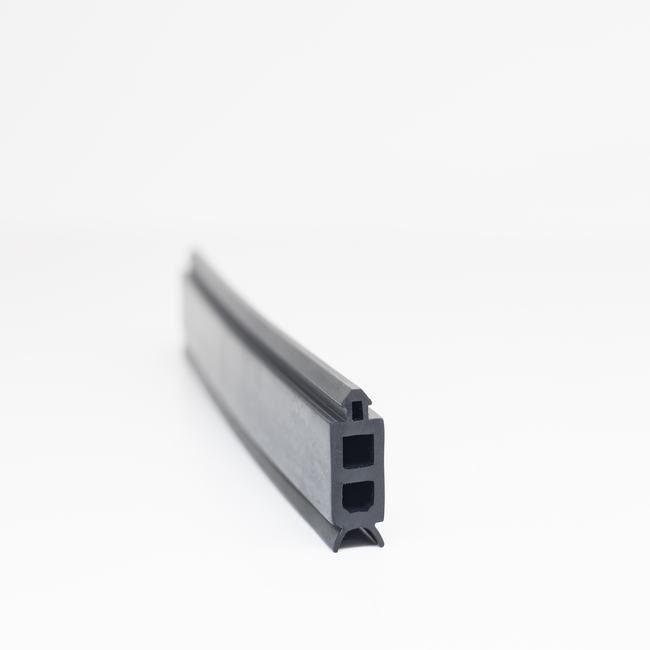
GRP pipes, also known as Glass Reinforced Plastic pipes, are composite materials consisting of a combination of glass fibers and a polymer matrix, typically epoxy resin.
GRP pipes, also known as Glass Reinforced Plastic pipes, are composite materials consisting of a combination of glass fibers and a polymer matrix, typically epoxy resin. These pipes are renowned for their exceptional strength, durability, and corrosion resistance, making them a popular choice for a wide range of applications in various industries.
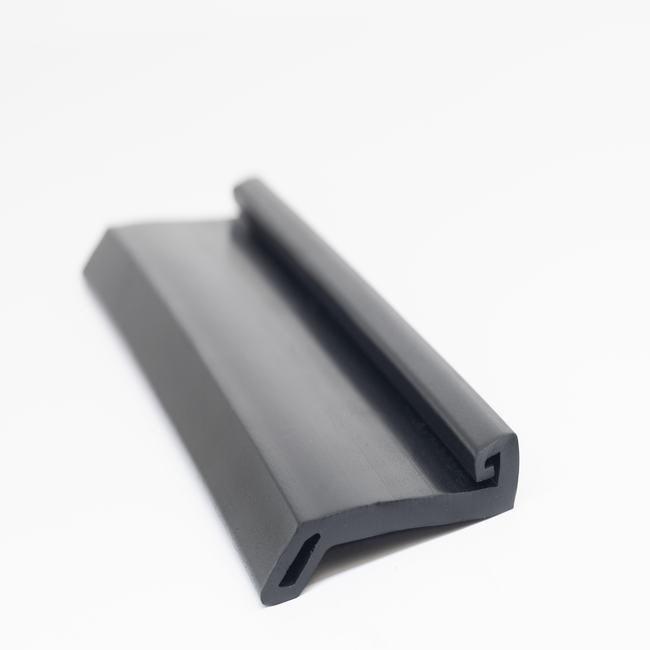
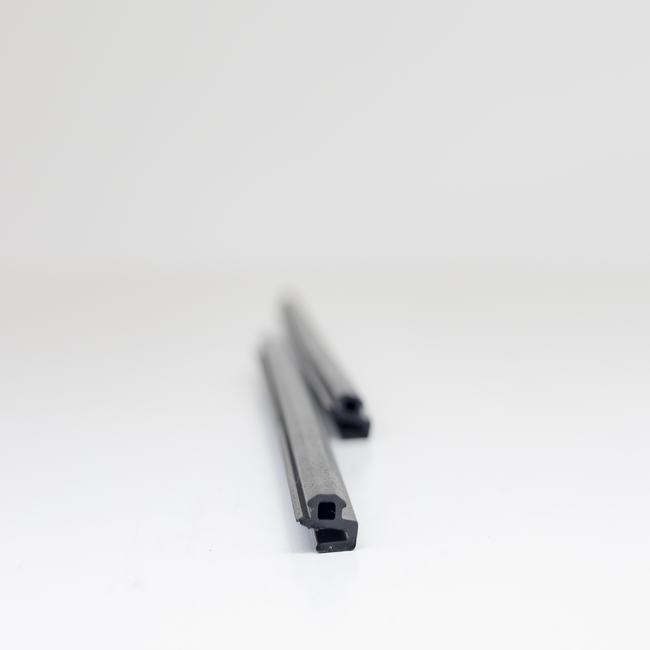
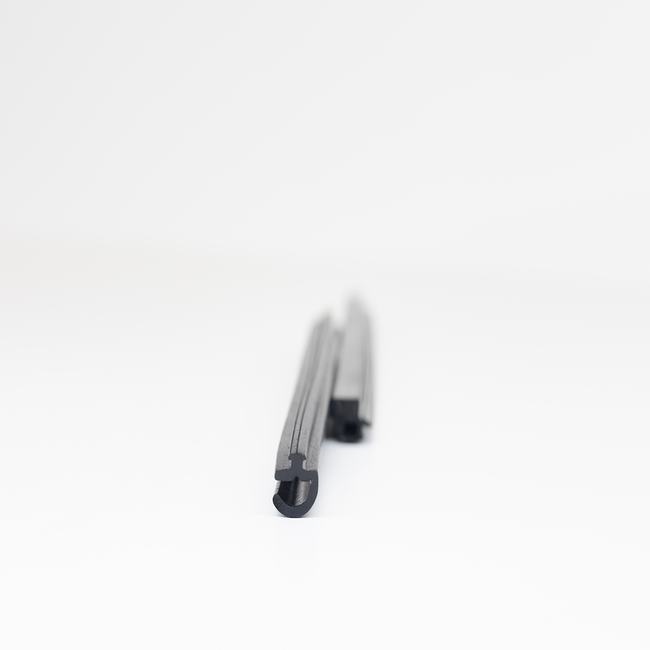
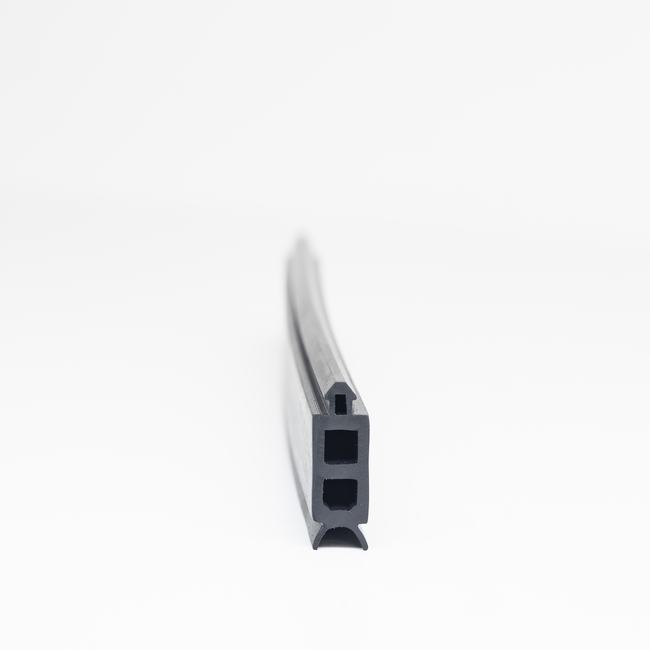
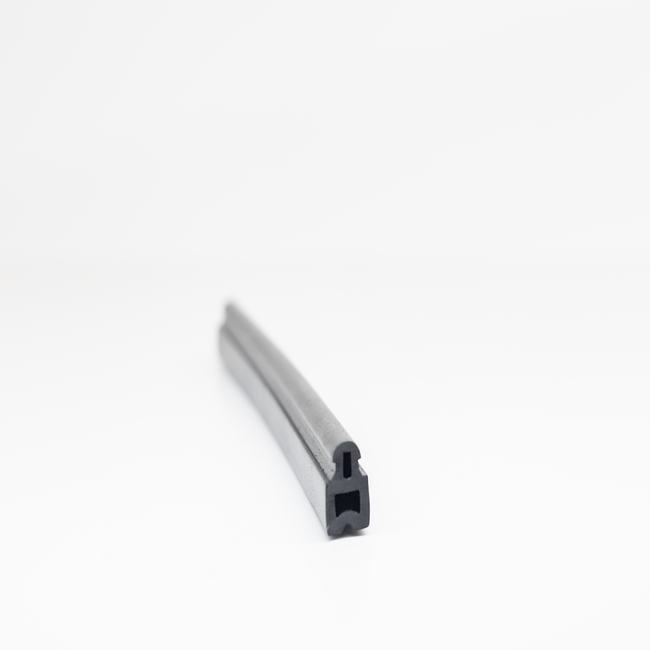
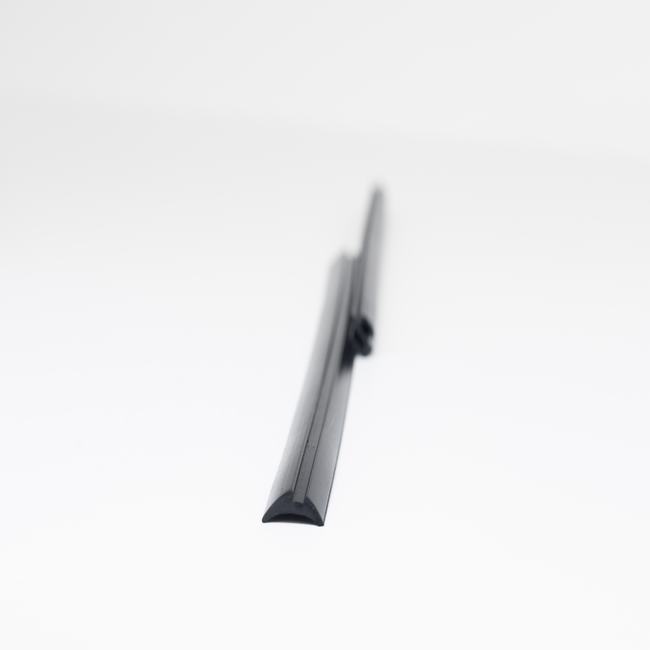
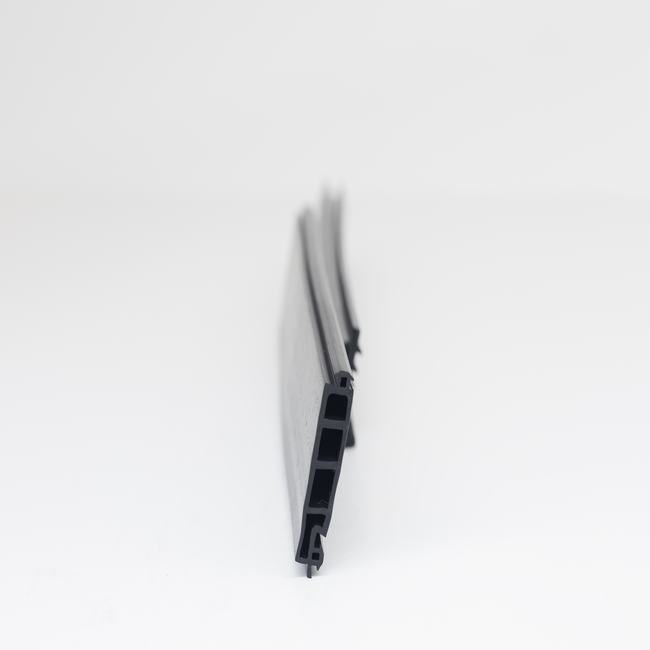
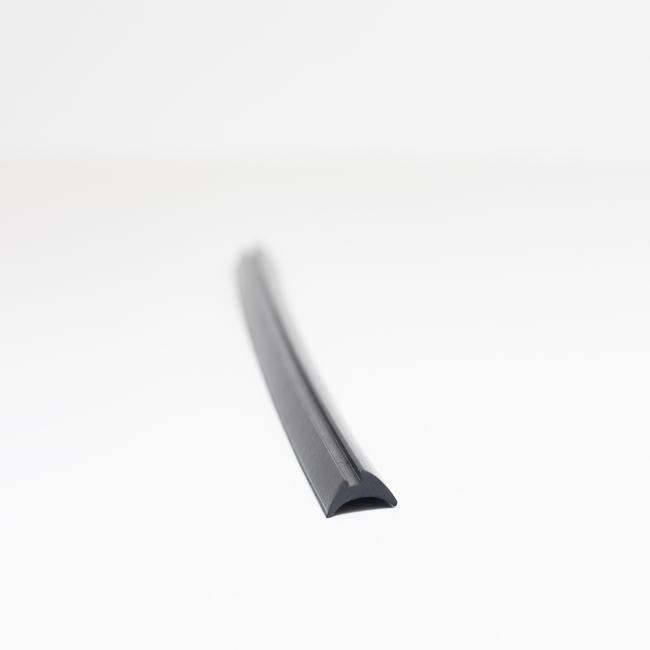
One crucial component of GRP pipes that ensures their functionality and reliability is the seals. Seals play a vital role in maintaining the integrity of the pipe system by preventing leaks, controlling fluid flow, and ensuring the overall efficiency of the piping network.
The seals used in GRP pipes are designed to withstand the challenging conditions to which these pipes are often exposed. This includes resistance to chemicals, high temperatures, and pressure variations. The choice of seals depends on the specific requirements of the application and the type of fluids being transported through the pipes.
Key characteristics of GRP pipe seals include:
-
Chemical Resistance: GRP pipes are commonly used for transporting corrosive substances. As such, the seals must exhibit resistance to a wide range of chemicals to prevent degradation over time.
-
Temperature Resistance: In industrial applications, GRP pipes may be exposed to extreme temperatures. The seals must be able to maintain their integrity and functionality across a broad temperature range.
-
Pressure Resistance: GRP pipes are known for their high-pressure capabilities. Seals must be able to withstand the pressure exerted by the fluid inside the pipes without compromising the system's integrity.
-
Flexibility: The seals must possess a degree of flexibility to accommodate any movements or expansions within the piping system, ensuring a tight and secure fit.
-
Durability: Given the long service life expected from GRP pipes, the seals must be durable and resistant to wear, ensuring a reliable performance over an extended period.
-
Installation and Maintenance: Seals should be designed for easy installation and maintenance, minimizing downtime and operational disruptions.
-
Compatibility: Seals must be compatible with the materials used in the GRP pipes to avoid any adverse reactions that could compromise the integrity of the system.
In conclusion, the seals used in GRP pipes are a critical component that contributes significantly to the overall performance and longevity of the piping system. They must meet stringent requirements for chemical resistance, temperature tolerance, pressure resistance, flexibility, durability, and ease of installation and maintenance. Choosing the right seals is essential for ensuring the reliability and efficiency of GRP piping networks across various industrial applications.