



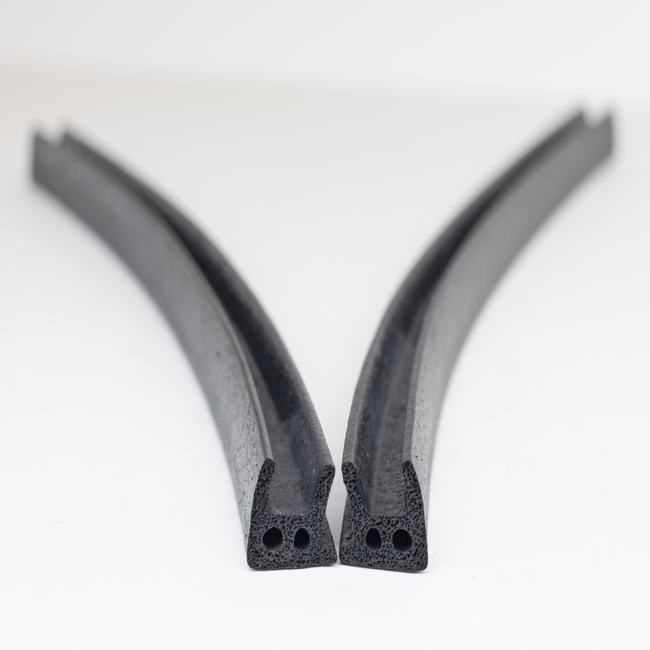
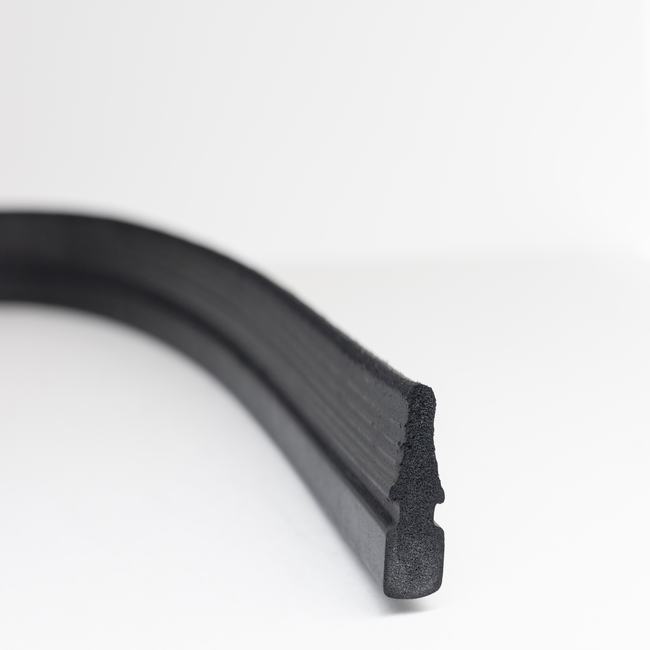
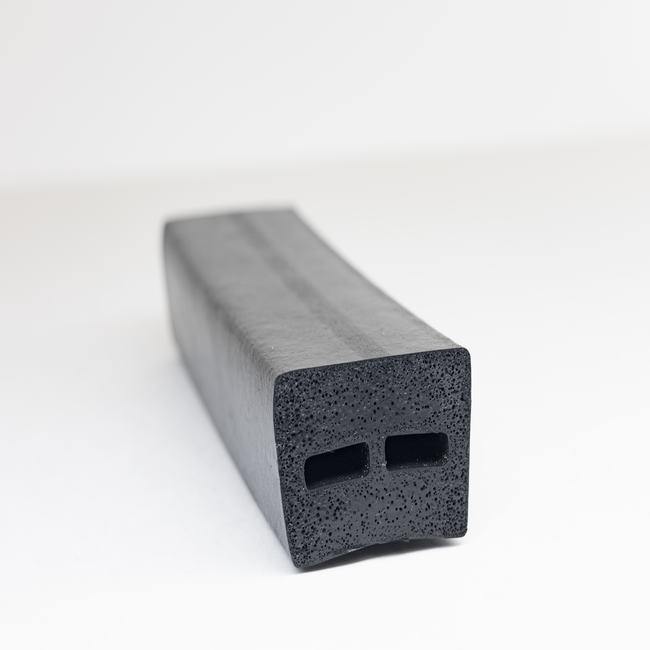
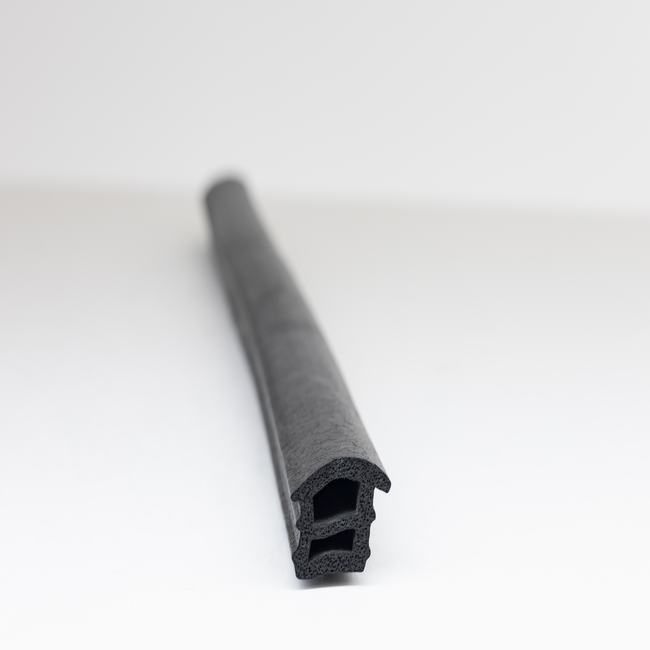
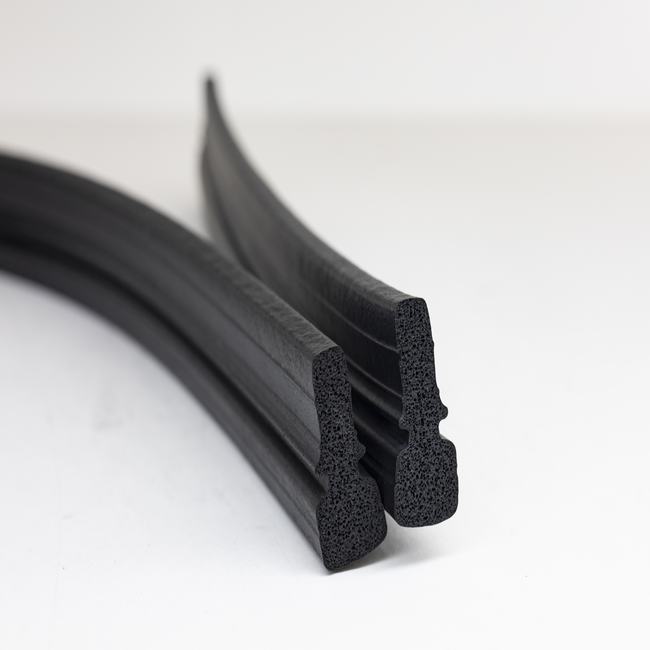
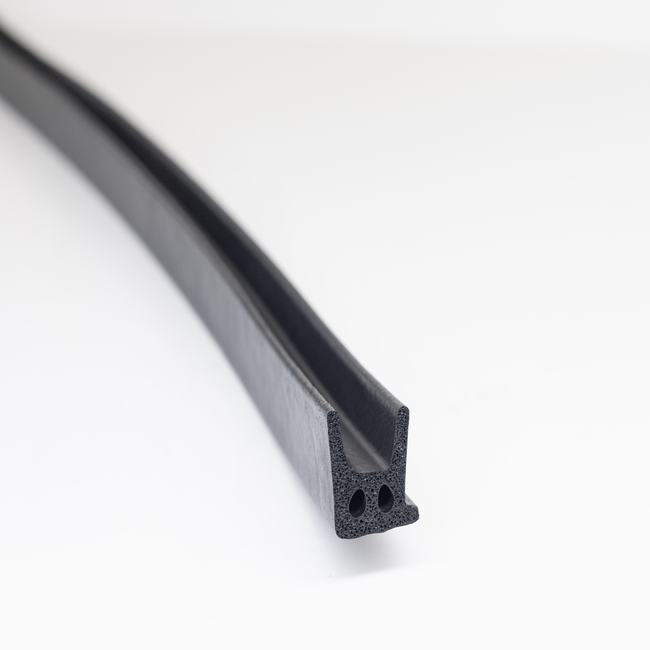
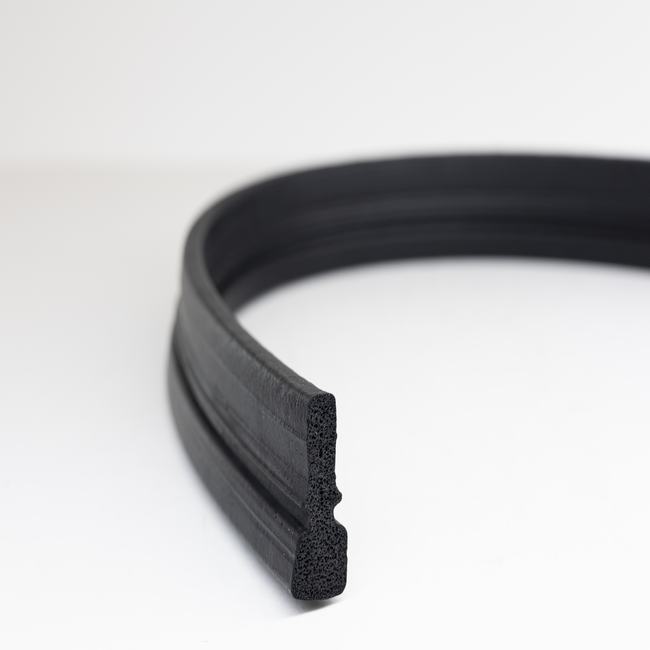
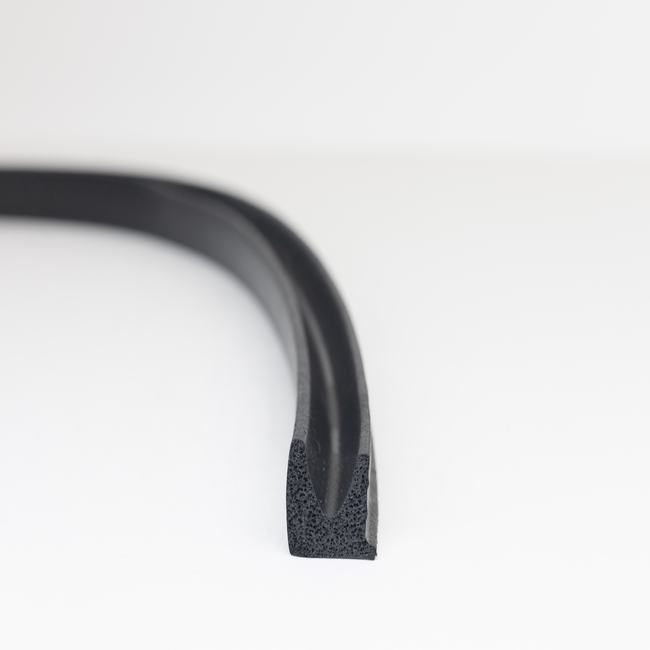
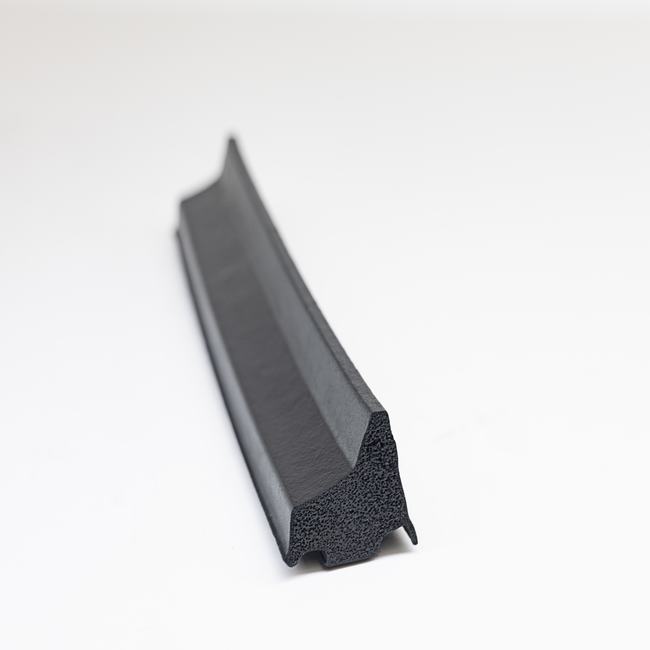
Industrial seals play a critical role in various industrial applications by preventing the leakage of fluids or gases, protecting machinery components, and ensuring the overall efficiency and reliability of industrial processes.
Industrial seals play a critical role in various industrial applications by preventing the leakage of fluids or gases, protecting machinery components, and ensuring the overall efficiency and reliability of industrial processes. These seals are essential components in a wide range of industries, including manufacturing, oil and gas, automotive, aerospace, chemical processing, and many others.
1. Types of Industrial Seals:
- Mechanical Seals: These are widely used in rotating equipment like pumps and compressors. They consist of two main components - a stationary element and a rotating element, which create a barrier to prevent the escape of fluids.
- O-rings: These are simple, yet effective, circular seals used in static and dynamic applications. They are typically made of rubber or elastomers and are used to prevent the leakage of fluids or gases.
- Gaskets: These are flat seals used to fill the gap between two mating surfaces, providing a reliable barrier against leaks in applications such as pipelines, flanges, and valves.
- Lip Seals: Commonly found in rotating shafts, lip seals prevent the entry of contaminants and the escape of lubricants.
2. Materials Used:
- Rubber and Elastomers: Widely used for O-rings and gaskets due to their flexibility and sealing properties.
- Metal: Common in mechanical seals for added strength and durability.
- Polymer-based Materials: Used for their resistance to chemicals and high temperatures.
3. Functionality and Applications:
- Leak Prevention: Industrial seals are designed to create a tight barrier, preventing the escape of liquids or gases, thus maintaining the integrity of the system.
- Contaminant Exclusion: Seals play a crucial role in keeping contaminants such as dust, dirt, and moisture away from sensitive components, ensuring optimal performance and longevity of machinery.
- Temperature and Pressure Resistance: In various industrial settings, seals must withstand extreme temperatures and pressures without compromising their sealing effectiveness.
4. Maintenance and Reliability:
- Proper installation and regular maintenance are essential to ensure the longevity and reliability of industrial seals.
- Monitoring and replacement of seals during scheduled maintenance prevent unexpected failures that can result in costly downtime.
5. Customization and Innovation:
- Manufacturers often tailor industrial seals to meet specific requirements, taking into consideration factors such as the type of fluid, temperature range, pressure, and environmental conditions.
- Ongoing innovations in materials and design contribute to the development of seals with enhanced performance and extended lifespan.
6. Environmental Considerations:
- With increasing emphasis on environmental sustainability, there is a growing demand for seals that reduce friction, energy consumption, and emissions, contributing to overall efficiency improvements in industrial processes.
In conclusion, industrial seals are indispensable components in diverse industries, ensuring the integrity and efficiency of mechanical systems. As technology advances, continuous innovation in seal design and materials contributes to the improvement of overall industrial performance and sustainability.