





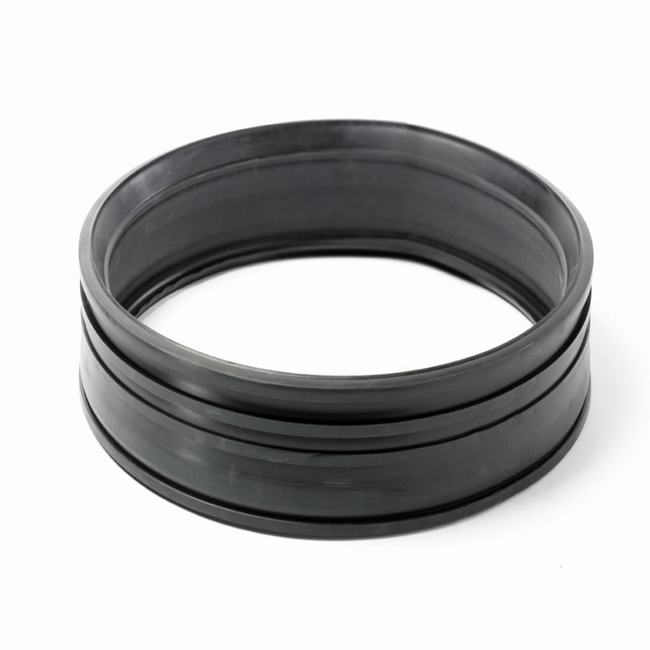


Infrastructure gaskets play a crucial role in maintaining the integrity and functionality of various structures and systems within the realm of civil engineering, construction, and industrial applications.
Infrastructure gaskets play a crucial role in maintaining the integrity and functionality of various structures and systems within the realm of civil engineering, construction, and industrial applications. These specialized components, typically made of materials like rubber, silicone, or other resilient materials, serve as seals or barriers to prevent leakage, vibration, or contamination in a wide range of settings.
One of the primary functions of infrastructure gaskets is to create a reliable and tight seal between adjoining surfaces, such as pipes, flanges, or joints in structural elements. This sealing capability is especially critical in applications where fluids or gases are transported, as any leakage can lead to operational inefficiencies, safety hazards, or environmental concerns.
The design and material composition of infrastructure gaskets are carefully chosen to suit specific operational conditions, ensuring resilience against temperature variations, pressure differentials, and chemical exposures. These gaskets are often engineered to withstand harsh environments, making them indispensable in industries such as petrochemical, pharmaceutical, and water treatment.
In addition to their sealing properties, infrastructure gaskets also contribute to the reduction of vibrations and noise in mechanical systems. By acting as dampeners, these gaskets absorb and dissipate vibrations, enhancing the overall performance and longevity of machinery and equipment.
Moreover, infrastructure gaskets play a critical role in addressing thermal expansion and contraction in various structures, particularly in industries where temperature differentials are common. The flexibility and elasticity of the gasket materials allow them to accommodate these changes, preventing damage to the infrastructure and ensuring operational stability.
In construction and civil engineering projects, gaskets are often employed in the assembly of structural components, providing a secure and weather-resistant seal. This is crucial for maintaining the structural integrity of buildings, bridges, and other infrastructure elements, protecting them from environmental elements such as water, wind, and temperature variations.
The selection of the appropriate infrastructure gasket involves careful consideration of factors such as the application environment, temperature range, pressure conditions, and the type of media being transported. This attention to detail ensures that the gasket performs optimally and contributes to the overall reliability and safety of the infrastructure.
In summary, infrastructure gaskets are indispensable components that play a multifaceted role in ensuring the functionality, safety, and longevity of various structures and systems. From preventing leaks and vibrations to addressing thermal expansion and contraction, these components are integral to the smooth operation of industries and the integrity of civil engineering projects.