



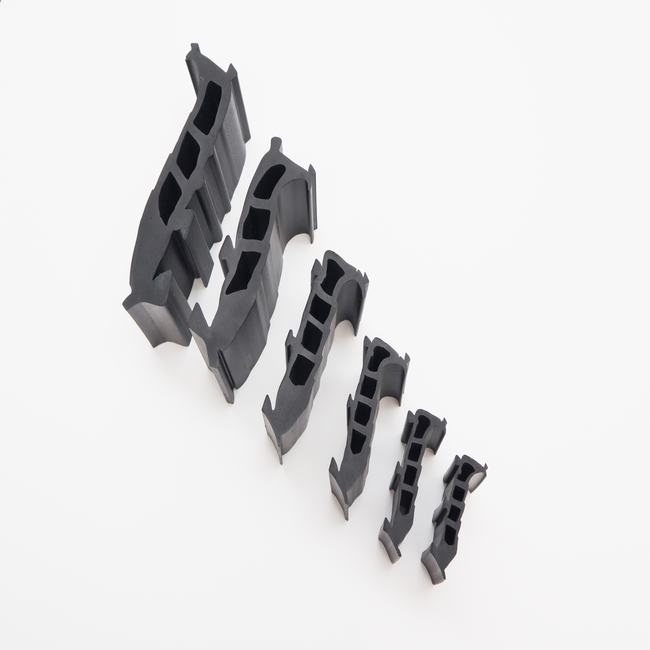
PVC pipes, or polyvinyl chloride pipes, are versatile and widely used in various applications due to their durability, cost-effectiveness, and resistance to corrosion.
PVC pipes, or polyvinyl chloride pipes, are versatile and widely used in various applications due to their durability, cost-effectiveness, and resistance to corrosion. These pipes find extensive use in water supply systems, irrigation, drainage, and numerous other industries. To ensure the optimal performance of PVC pipes, seals play a crucial role in preventing leaks, maintaining structural integrity, and enhancing the overall efficiency of the system.
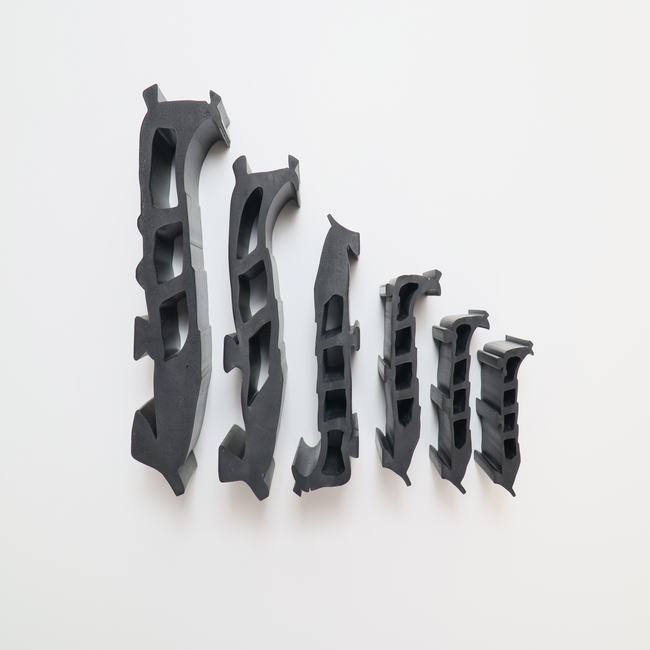
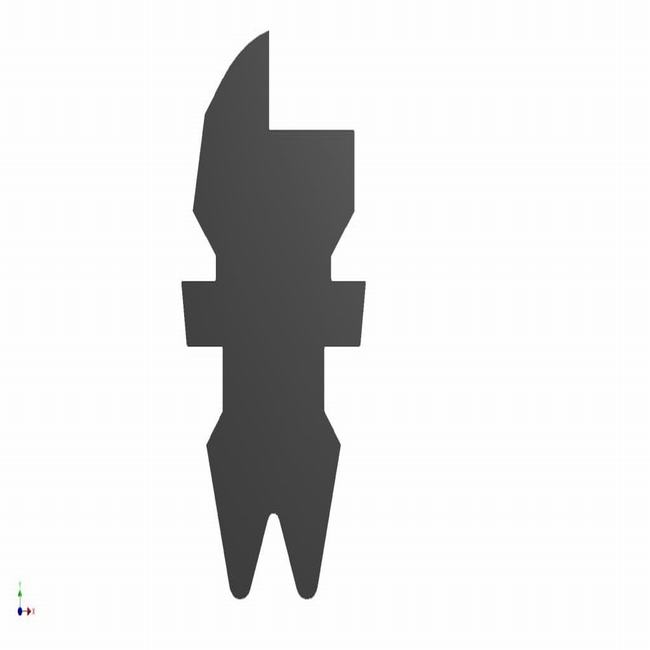
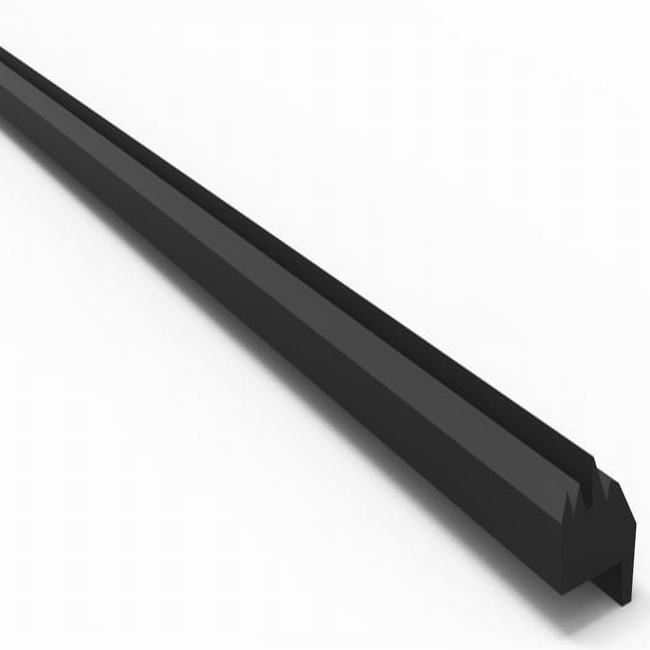
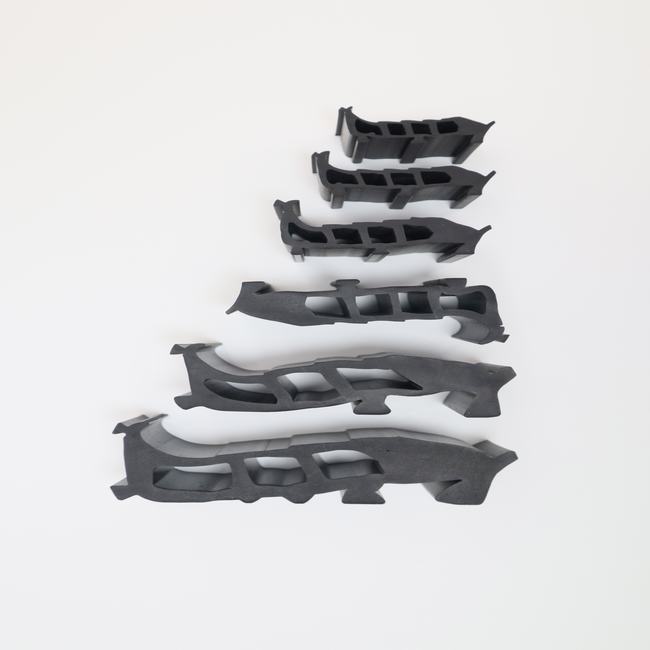
Seals for PVC pipes are designed to create a tight and secure connection between pipe joints, fittings, and other components. These seals are typically made from materials compatible with PVC, such as rubber or elastomers, ensuring flexibility and resilience. The primary functions of PVC pipe seals include:
-
Leak Prevention: PVC pipe seals are engineered to create a watertight barrier, preventing any unwanted leakage of fluids. This is especially critical in applications where water or other liquids are being transported, as leaks can lead to water loss, damage to infrastructure, and increased maintenance costs.
-
Chemical Resistance: The seals must be resistant to the chemicals present in the conveyed fluids. PVC pipes are commonly used in a variety of settings, including industrial applications where the transported substances may be corrosive. Seals help maintain the integrity of the system by resisting chemical degradation.
-
Temperature Resistance: PVC pipe seals are designed to withstand a wide range of temperatures, ensuring that they remain effective in both hot and cold environments. This is essential for applications where temperature variations are common, such as in outdoor plumbing or industrial processes.
-
Flexibility: Due to the dynamic nature of many piping systems, especially those subject to vibrations or movement, PVC pipe seals need to be flexible to accommodate changes in the pipe's position without compromising the seal. This flexibility also aids in the ease of installation.
-
Longevity: The longevity of PVC pipe seals is critical to the overall durability of the system. Seals are expected to withstand years of use without deterioration, maintaining their sealing properties over time and reducing the need for frequent replacements.
-
Easy Installation: PVC pipe seals are designed to be user-friendly, allowing for easy installation and maintenance. This characteristic is particularly important for projects where time and labor costs need to be minimized.
-
Compatibility: Seals must be compatible with different types of PVC pipes, fittings, and connectors. This ensures a standardized and reliable sealing solution across the entire piping system.
In conclusion, PVC pipe seals are integral components in maintaining the efficiency, reliability, and longevity of PVC piping systems. They provide a secure and leak-resistant connection, ensuring the smooth and uninterrupted flow of fluids in a variety of applications. The selection of high-quality seals and proper installation practices are essential for achieving optimal performance and minimizing maintenance requirements over the lifespan of the PVC piping infrastructure.